
Water Damage Restoration in South Carolina
South Carolina faces hurricanes, record rain floods and tidal flooding. DryFlare helps owners from Charleston to Columbia and Greenville get water out and dry fast.
- All of South Carolina
- Homes, rentals & businesses
- 24/7 water damage calls
Quick answer: In South Carolina, water damage restoration means getting water out, drying the building and fixing what got wet. The biggest local risks are hurricanes, heavy rain flooding and tidal flooding on the coast. FEMA has declared 20 major disasters for storms, floods and similar events here since 2000.
South Carolina water damage at a glance
| Population | 5,296,225 |
|---|---|
| Housing units | 2,443,039 |
| Median year homes were built | 1992 |
| Homes built before 1980 | 32.8% |
| Homes built before 1940 | 3.6% |
| Owner-occupied homes | 71.9% |
| Mobile homes | 14.2% of housing units |
| FEMA major disasters since 2000 | 21 in all, 20 from storms, floods and other water events |
| Most frequent water-related types | hurricanes (8) and severe storms (4) |
| Latest water-related declarations | Severe winter storm (2026); Hurricane Helene (2024) |
South Carolina figures: Census ACS 2020–2024 estimates and FEMA declarations from 2000 to November 2026.
Homes in South Carolina skew newer, with a median build year of 1992. Leaks from fittings, washers and water heaters still happen daily. Mobile homes make up 14.2% of housing. Their floors soak up water fast.
Why water damage in South Carolina is different
In October 2015, a stalled storm dropped more than 20 inches of rain on parts of South Carolina. Columbia and the Midlands flooded, and several dams failed. Hurricane Hugo in 1989 and Florence in 2018 flooded the coast and the Pee Dee. Charleston's low streets flood at high tide many days a year.
Humid summers mean mold grows fast after any leak. Many homes sit on crawl spaces, and South Carolina has one of the highest shares of mobile homes, at 14%. Hurricane Helene in 2024 damaged homes in the Upstate. North Carolina and Georgia share these storms.
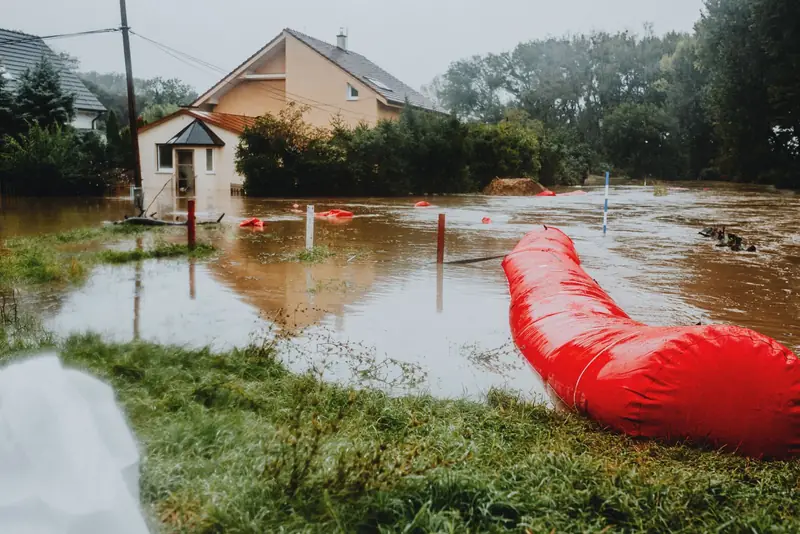
Common water damage problems in South Carolina
| Problem | Where it shows up | What helps |
|---|---|---|
| Tidal and surge flooding | Charleston, Mount Pleasant, Beaufort | Flood damage restoration |
| Heavy rain flooding | Columbia and the Midlands | Water extraction |
| Wet crawl spaces | Homes statewide | Crawl space drying |
| Mold after humid weather | Any wet home in summer | Mold remediation |
Practical tips for South Carolina homes
- Check tide charts before parking in low Charleston streets.
- Seal and dehumidify your crawl space.
- Mobile home owners should check tie-downs before hurricane season.
- Buy flood insurance before storm season starts in June.
Insurance and licensing in South Carolina
The South Carolina Department of Insurance oversees home insurance in South Carolina. It can help with claim problems. Coastal homes that can't get wind cover elsewhere may get it through the South Carolina Wind and Hail Underwriting Association.
Flood needs its own policy. Owners in South Carolina can buy one from the NFIP or a private carrier. NFIP cover starts after a 30-day wait.
For repairs, check the contractor with the South Carolina Contractor's Licensing Board (LLR). It licenses or registers builders in South Carolina.
Areas served in South Carolina
DryFlare handles water damage calls across South Carolina. The largest communities are Charleston, Columbia, North Charleston, Mount Pleasant, Rock Hill, Greenville, Summerville and Goose Creek. Local pages: Charleston, Columbia and Greenville. DryFlare also helps owners next door in North Carolina and Georgia.
Water damage questions in South Carolina
Do you cover all of South Carolina?
Yes. DryFlare takes calls from all of South Carolina, including Charleston, Columbia, North Charleston, Mount Pleasant and Rock Hill. Small towns and rural areas in every county are covered too.
Does homeowners insurance cover flood damage in South Carolina?
Usually not. Most home policies in South Carolina exclude rising water. They often cover sudden leaks, like a burst pipe. Flood needs a separate NFIP or private policy. For claim help, contact the South Carolina Department of Insurance.
Does a water damage company need a license in South Carolina?
Rules depend on the work. Check builders with the South Carolina Contractor's Licensing Board (LLR). Plumbing and electrical work need trade licenses.
Does flood insurance cover tidal flooding in Charleston?
Yes. Flood insurance covers water from tides, surge and rising water entering your home. Homeowners policies do not. Lenders require flood insurance in high-risk zones, but many Charleston floods happen outside them.
Water damage restoration services in South Carolina
Water removal & extraction
Pumps and extractors pull standing water out of floors, carpet and basements fast.
Water mitigation & structural drying
Air movers and dehumidifiers dry walls, floors and framing, checked with moisture meters.
Water damage repair
Drywall, flooring, trim and cabinets rebuilt once the structure is dry.
Flood damage restoration
Cleanup of floodwater, mud and soaked materials after storms and rising water.
Burst pipe water damage
Water removal and drying after frozen, corroded or broken supply lines.
Sewage cleanup
Safe removal of sewage backups and toilet overflows, then cleaning and disinfection.
Mold remediation
Containment, HEPA filtration and removal of moldy materials after a leak.
Ceiling water damage repair
Stains, sagging drywall and leaks from roofs, bathrooms and AC lines.
Storm damage restoration
Tarping, board-up, water removal and drying after wind, hail and heavy rain.
Commercial water damage
Water damage cleanup for offices, stores, rentals and other business properties.
Water damage help in nearby states
- Water damage restoration in North Carolina
- Water damage restoration in Georgia
- All states
- DryFlare home
Sources
- FEMA: Disaster declarations
- U.S. Census Bureau: American Community Survey
- South Carolina Department of Insurance
- FloodSmart (NFIP): Flood insurance basics
- South Carolina Contractor's Licensing Board (LLR)
Last reviewed November 19, 2026 by DryFlare Editorial. General information, not legal, insurance or professional advice. Read our editorial policy.
Water where it shouldn't be?
Call DryFlare 24/7 to get water damage help started.
Call 1-800-555-0199